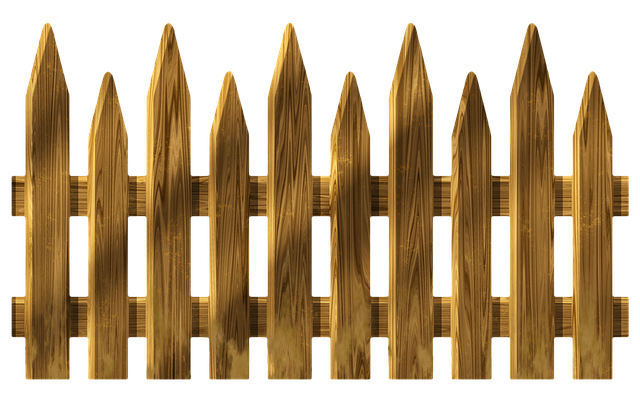
In New Bedford, Massachusetts, enhancing your outdoor space with a wooden fence offers both aesthetic appeal and practical benefits. This article guides you through the comprehensive process of wooden fence installation, from understanding the steps involved to selecting the right materials and local contractors. We explore why choosing experienced New Bedford-based contractors is advantageous and provide essential tips for post-installation care. Whether you’re aiming for a traditional or contemporary look, this resource offers valuable insights for a successful fencing project.
- Understanding Wooden Fence Installation Process
- Benefits of Choosing Local New Bedford Contractors
- Essential Considerations for Material Selection
- Post-Installation Care and Maintenance Tips
Understanding Wooden Fence Installation Process
When it comes to wooden fence installation, understanding the process is key to ensuring a sturdy and aesthetically pleasing result. It begins with measuring and marking the perimeter of your desired fence line, taking into account any gates or entry points. This step requires precision to guarantee the fence aligns perfectly with your property boundaries.
Next, the chosen wood materials are cut to size based on the measurements. This includes posts, rails, and pickets, which are then assembled according to the specific design. The actual installation involves digging holes for the posts, setting them in place, and securing them with concrete to provide a solid foundation. Rails are attached, followed by the pickets, creating the fence’s structure. Throughout the process, proper techniques and attention to detail are paramount to ensure the fence’s longevity and beauty.
Benefits of Choosing Local New Bedford Contractors
When it comes to wooden fence installation, choosing local New Bedford contractors offers numerous advantages. One of the key benefits is accessibility and convenience. Local professionals are typically just a phone call away, ready to respond promptly to your inquiries or schedule installations at your earliest convenience. This quick turnaround time can be especially valuable if you’re in need of an urgent repair or replacement.
Additionally, supporting local businesses contributes to the economic growth and vitality of your community. By hiring New Bedford contractors, you help sustain local employment, foster business relationships within the area, and promote a sense of pride in your neighborhood. Moreover, these contractors often have a deep understanding of the local landscape and climate, enabling them to recommend suitable fence materials and designs that cater specifically to the conditions in and around New Bedford.
Essential Considerations for Material Selection
When considering wooden fence installation, material selection is paramount. Key factors include the type of wood, its treatment, and the overall quality. Opting for high-quality, treated timber ensures longevity and durability against weather, pests, and rot. Look for woods like cedar or pressure-treated pine, known for their resistance to decay and insect damage.
Additionally, consider aesthetic preferences and maintenance requirements. Different wood species offer distinct visual appeals, from the natural beauty of cedar to the dark hue of redwood. Regular maintenance, such as staining or sealing, is necessary for untreated woods but can enhance the fence’s life and appearance.
Post-Installation Care and Maintenance Tips
After your wooden fence installation is complete, proper care and maintenance will ensure its longevity and beauty. Regular cleaning with a soft brush or cloth helps remove dirt, dust, and debris that can affect the fence’s finish. Avoid using high-pressure washers which could damage the wood.
Inspecting your fence periodically for any signs of rot, warping, or loose boards is crucial. Addressing small issues early prevents them from becoming bigger problems. Repaint or restain as needed to protect the wood and maintain its aesthetic appeal. Keep the area around the fence clear of overhanging branches that could cause damage, and ensure proper drainage to prevent water accumulation at the base of the fence.