Exploring the robust landscape of fence maintenance in New Bedford, this article serves as a comprehensive guide for homeowners seeking to fortify their property boundaries. From evaluating the extent of damage to employing cost-effective repair strategies tailored for New Bedford’s unique climate, we delve into the practicalities of maintaining and installing fences. Furthermore, we explore an array of durable materials that withstand New England’s harsh weather conditions, ensuring your fence remains a stalwart barrier for years to come. A step-by-step installation guide and maintenance tips are provided to guarantee your fence not only secures your home but also complements the aesthetic charm of New Bedford’s diverse neighborhoods.
- Assessing Fence Damage in New Bedford Homes
- Cost-Effective Fence Repair Strategies for Residents
- Types of Materials Suitable for New Bedford's Climate
- Step-by-Step Guide to Fence Installation in New Bedford
- Maintenance Tips for Long-Lasting Fences in the Area
Assessing Fence Damage in New Bedford Homes
When homeowners in New Bedford consider fence repair or installation, the first step is to thoroughly assess the damage to their existing fence. This involves a careful inspection of both visible and less conspicuous areas for wear and tear. Factors such as weather exposure, age, and usage patterns can all influence the integrity of the fence. Homeowners should look out for common issues like rusted hardware, loosened posts, split rails, or rotting wooden panels, which may compromise the security and privacy of their property. In cases where repairs are feasible, identifying these issues early on can prevent more extensive damage over time. It’s crucial to address structural problems promptly to maintain the aesthetic appeal and functionality of the fence. If the damage is extensive or if the fence has reached the end of its serviceable life, it may be more cost-effective and safer to opt for a complete replacement rather than piecemeal repairs. Consulting with a local New Bedford fencing contractor can provide homeowners with professional insights into the condition of their fence and the best course of action to take. They can offer tailored solutions based on the specific type of damage, the materials used, and the desired outcome, ensuring that the fence not only serves its intended purpose but also complements the home’s overall curb appeal.
Cost-Effective Fence Repair Strategies for Residents
When considering fence repair in New Bedford, Massachusetts, homeowners are advised to assess the extent of damage and prioritize repairs for both safety and longevity. Cost-effective strategies begin with a thorough inspection to determine whether partial or complete replacement is necessary. Damaged panels can often be repaired independently rather than replacing entire sections of fencing, which can save on materials and labor costs. Utilizing durable, weather-resistant repair materials that match the existing structure is key to maintaining both functionality and aesthetics without incurring unnecessary expenses.
For a more economical approach, residents should explore repair options that leverage their current fence’s structural integrity. This may involve securing loose posts with ground anchors or concrete, fixing broken pickets or rails, and painting or staining the existing wood to protect it from further weathering. Additionally, seeking out local suppliers for materials can reduce costs, as they often offer competitive prices. It’s also beneficial to consider the lifespan of the repair materials chosen; opting for longer-lasting options may lead to lower future maintenance costs. By carefully evaluating each step and making informed decisions, New Bedford residents can ensure their fence repairs are both cost-effective and sustainable in the long term.
Types of Materials Suitable for New Bedford's Climate
When considering fence repair and installation in New Bedford, Massachusetts, it’s crucial to select materials that can withstand the region’s maritime climate. The coastal environment often brings salty air, high humidity, and occasional stormy weather, which can rapidly degrade less durable materials. Wood remains a popular choice due to its versatility and aesthetic appeal; however, species such as cedar, redwood, and treated pine are more resistant to the elements compared to other softwoods. For those seeking low maintenance options, vinyl fencing is an excellent alternative as it offers durability against rot and corrosion from salt exposure, with a wide array of styles and colors to complement any property.
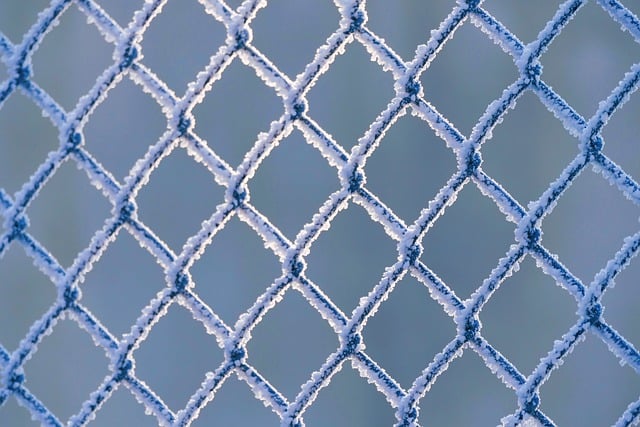
Additionally, chain link fences are a cost-effective solution that provides clear visibility while being robust enough for the local conditions. Composite materials, which blend wood fibers with plastic resins, offer another strong contender as they mimic the natural look of wood without the same level of upkeep, and are also resistant to rot and decay. Lastly, aluminum fencing is a lightweight yet sturdy option that resists rust and corrosion, making it another suitable choice for New Bedford’s unique climate challenges. Each material has its advantages and will perform differently based on the specific needs and aesthetic preferences of the homeowner. Consulting with local experts in fence repair and installation can provide further guidance tailored to individual properties and the harsh yet beautiful coastal conditions.
Step-by-Step Guide to Fence Installation in New Bedford
When embarking on a fence installation project in New Bedford, it’s crucial to follow a structured approach to ensure the outcome is both durable and compliant with local regulations. The process begins with thorough planning, including selecting the appropriate material that suits your needs, property boundaries, and the New Bedford climate. Popular choices often include wood for its versatility and aesthetic appeal, vinyl for low maintenance, or chain link for durability and cost-effectiveness.
Once you’ve determined the type of fence, the next step is to obtain any necessary permits from the city. This step is essential to avoid legal complications or the need to dismantle your newly installed fence. After securing all permits, mark out the property lines and the proposed fence layout to ensure it meets setback requirements and zoning laws. With the layout planned, proceed to clear the ground where the posts will be placed, removing any debris or existing vegetation that may interfere with the installation.
With the site prepared, begin by setting the corner posts accurately at the marked boundaries. These will serve as the reference points for all other posts along the fence line. Dig the hole for each post to a depth recommended for your chosen material, ensuring it’s stable and level. Carefully insert the posts into their respective holes, backfill around them, and tamp down the soil to maintain stability.
After installing the corner and gate posts, space and set the remaining posts, attaching them securely to the corner posts with brackets or rails. Once all posts are in place, connect the rails between them, making certain they’re level and evenly spaced. Next, attach the fence panels or pickets to the rails, ensuring a tight fit. Pay special attention to the gate installation, as it requires proper alignment and hinge functionality for smooth operation.
Throughout the installation, regularly inspect your work for any deviations from your plan and make adjustments as necessary. Upon completion, check the entire fence for sturdiness, making sure all connections are secure. Finally, apply a weather-resistant sealant or paint to protect your investment from New Bedford’s environmental conditions. With these steps followed, your new fence will stand as a reliable boundary and asset to your property for years to come.
Maintenance Tips for Long-Lasting Fences in the Area
Regular maintenance is key to ensuring your New Bedford fence withstands the region’s unique climate and environmental challenges. To maintain the longevity of your fence, begin by conducting a thorough inspection twice a year, particularly after harsh weather conditions such as storms or heavy snowfall. Look for any signs of wear, decay, or damage that could compromise the integrity of the fence. Tighten any loose hardware, including nails, screws, and bolts, to prevent larger issues from arising.
For wood fences, protect against rot by applying a fresh coat of wood preservative regularly. This not only extends the life of the wood but also enhances its natural beauty. Ensure that the soil around the fence posts is kept stable by refilling any areas that have settled over time. This prevents the posts from shifting, which could cause the fence to lean or bow. For both wood and metal fences, keep the area clear of overgrown vegetation that could obstruct views and provide easy access for pests to enter. Lastly, address any repairs promptly to avoid minor issues becoming major problems. By adhering to these maintenance tips, your New Bedford fence will serve as a durable and effective boundary for years to come.